NMI WEBINAR
The Role of Nutrition in Brain Health, ADHD & Neurodivergence
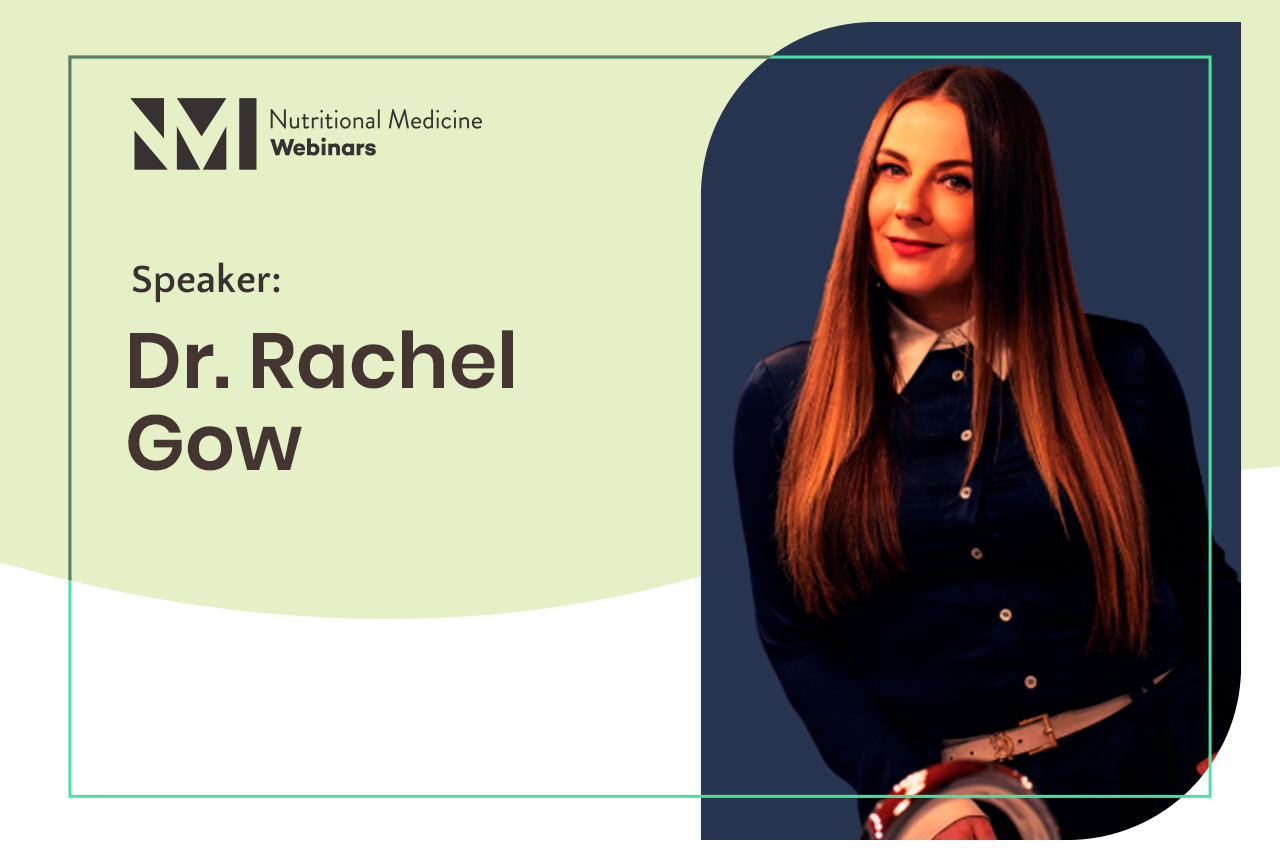
with Dr. Rachel Gow
NMI Members
FREE
Included in membership
Non-members
With code FREE171226
Includes live access, recording, downloadable notes and CPD certificate.
CPD Accredited Webinar
Earn 1 hour of Continuing Professional Development
Approved by the CPD Certification Service (CPD UK), the British Association for Nutrition and Lifestyle Medicine (BANT) and the Nutritional Therapists of Ireland (NTOI).
Webinar description:
What does it really mean to have a healthy brain, and how can nutrition influence the way our brains develop, function and adapt throughout life?
The human brain is an extraordinarily complex and metabolically demanding organ, requiring a continuous supply of essential nutrients to support its structure, communication systems and everyday functioning. Yet nutrition remains an often-overlooked component of conversations surrounding brain health, ADHD and neurodivergence.
In this thought-provoking webinar, Dr Rachel V. Gow, Chartered Psychologist, Child Neuropsychologist and Nutritional Neuroscientist, will explore the fundamental concept of brain health, the nutrients required for optimal brain function, and the growing scientific understanding of ADHD, autism and neurodivergence in 2026.
Drawing on contemporary research in nutritional neuroscience, neurodevelopment and epigenetics, Dr Gow will examine how nutrition and other environmental influences interact with our biology, potentially moderating symptom severity, cognitive functioning, emotional regulation and overall wellbeing.
Importantly, this webinar will challenge the traditional tendency to view ADHD and neurodevelopmental differences exclusively through a brain-based or behavioural lens.
ADHD does not exist in isolation from the rest of the body.
Using an emerging Neuro-Immune-Metabolic-Hormonal framework, Dr Gow will explore the complex, bidirectional relationships between the brain and interconnected bodily systems, including immune and inflammatory processes, metabolic health, gut–brain communication and hormonal regulation.
The discussion will consider how these interacting systems may influence neurodevelopmental health, individual differences in symptom expression and responses to environmental and nutritional factors.
Finally, the webinar will explore the potential of personalised, evidence-informed nutritional approaches to support brain health and wellbeing, while distinguishing established findings from promising but emerging areas of research.
This webinar aims to encourage a broader, more integrated understanding of ADHD and neurodivergence, recognising that supporting the brain also means understanding and supporting the body as a whole.
Learning objectives:
- Define brain health and identify key nutrients required for brain development, neuronal communication and optimal cognitive functioning.
- Describe contemporary scientific understanding of ADHD, autism and neurodivergence, including the interaction between genetic, environmental and biological influences.
- Explain the role of nutrition as a potentially modifiable environmental and epigenetic influence, and evaluate emerging evidence for its contribution to symptom severity, cognitive functioning and wellbeing.
- Explore ADHD and neurodivergence through a neuro-immune-metabolic-hormonal framework, recognising the interconnected relationships between the brain, immune system, metabolism, gut and hormonal regulation.
- Identify opportunities for holistic, personalised and evidence-informed approaches to supporting brain health and neurodevelopmental wellbeing across the lifespan.
Speaker:
Dr. Rachel Gow
Rachel Gow, Ph.D. is a neuropsychologist specialising in child and adult mental health. She has specific expertise in ADHD, Autism, Depression, Anxiety and related learning and behaviour conditions and, she has worked in the field of Nutritional Neuroscience for many years. In addition, Dr. Gow is a Registered Nutritionist (under the category of Science). She was a Guest Researcher at the National Institutes of Health (NIH) Washington DC for 4 years (2012-2016) running a dietary (omega-3 essential fatty acids versus placebo) intervention, clinical research trial which recruited adults with ADHD. In 2018, she worked as Director of Research & Development for Daniel Amen and The Amen Clinics in
Costa Mesa, California. Dr. Gow is currently a Lecturer in Clinical Neuroscience in the School of Life and health Sciences, University of Roehampton. She has a private consultancy clinic which provides a unique and comprehensive avenue to psychological health by adopting a personalised, science-based, integrative approach with interventions for the whole family.
Dr. Gow is a Lecturer in Psychology at St Mary’s university, Twickenham. She has lectured at various institutes including London Metropolitan University, the University of Surrey and the University of Bournemouth. Dr. Gow was awarded a Ph.D in Child Neuropsychology from the Institute of Psychiatry, King’s College London; a Master of Science in Psychological Research Methods (Distinction) from Birkbeck University of London and an undergraduate Psychology degree First Class with Honors from the University of Kingston, London (accredited also by the British Psychological Society). Collectively, she has approximately 20 years of
psychological research and experience. She has published approximately 23 peer reviewed book chapters and scientific papers, and her first book “Smart Foods for ADHD and Mental Health” was published by Jessica Kingsley Publisher (part of the Hachette Group) in February 2021. Dr. Gow has given interviews for various television (GMTV, BBC2, Sky News and Channel 4) and radio shows as well as featuring in other media outlets. She was named as a “Leading Lady” by Time & Leisure Magazine. In 2024, Nutritious Minds Trust was granted charitable status by the Charities Commission (Charity Number: 1206658) and provides a range of support and services to children and young people with neurodiverse
conditions from low-income families.

Additional information:
Expert qualifications: Speakers are selected based on verifiable expertise in their subject area, including post-graduate qualifications, specialist practice, and authorship of original peer-reviewed research.
Standards for conflict of interest and disclosure: Webinars are independent and free of commercial bias that may impact the quality and integrity of educational content, such as the mention of commercial products and services. View our standards for conflict of interest and disclosure.
Funding source: Speaker remuneration is provided by the Nutritional Medicine Institute (NMI).
Disclaimer: The contents of webinars such as this are for educational purposes and intended for health professionals. This information is not a substitution for standard medical care. Health professionals are solely responsible for the care and treatment provided to their own patients.