
Course
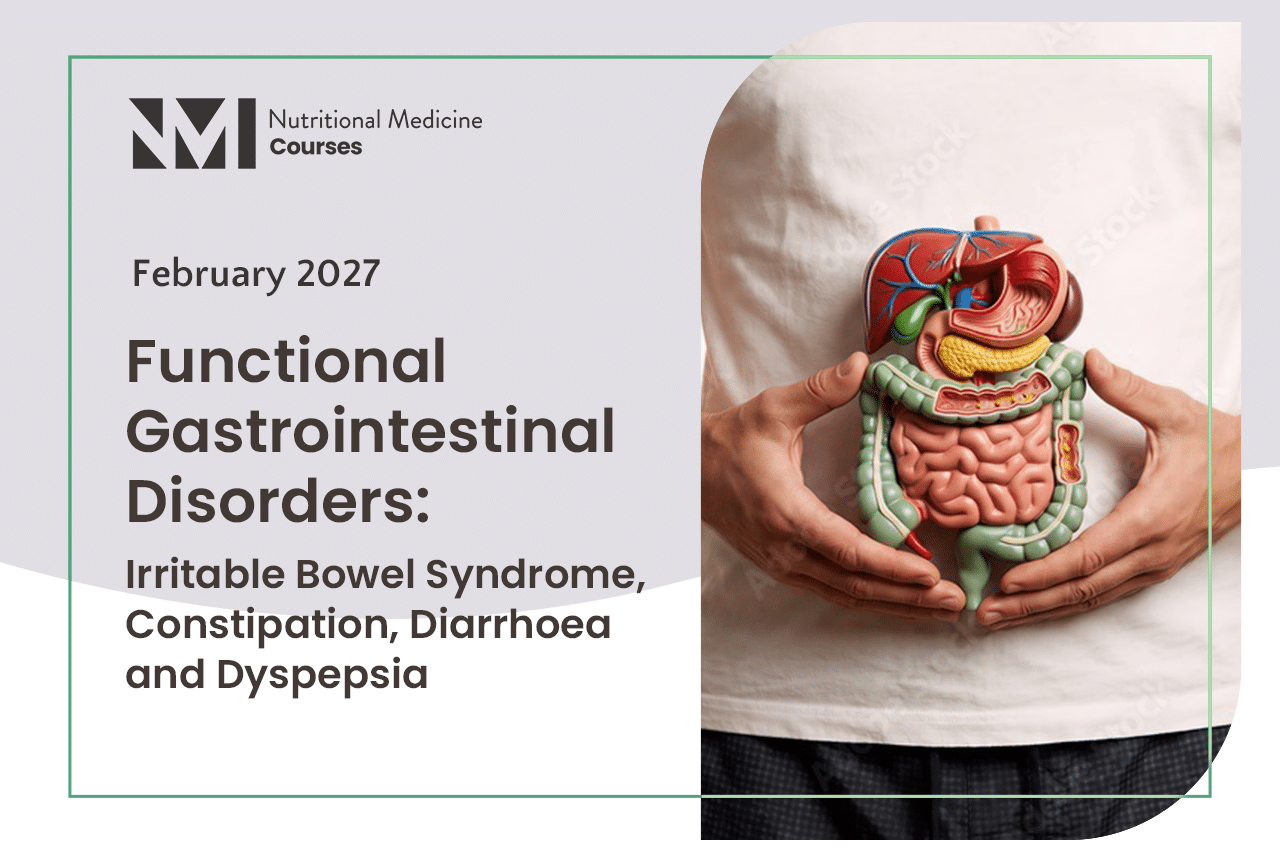
Functional Gastrointestinal Disorders: Irritable Bowel Syndrome, Constipation, Diarrhoea and Dyspepsia.
- 22 February 2027
- 16 accredited CPD study hours
- 8 weeks to complete
- Expert Lecturers
- Online
Build advanced knowledge and competence in the nutritional assessment and clinical management of functional gastrointestinal disorders.
Why Enrol in this Course?
Deepen your Expertise: enhance and advance your knowledge in a specialist subject area to benefit your practice and business.
Online Learning: a 100% online learning format that is mobile and desktop friendly, flexible and self-paced.
Multimedia: video, live sessions, downloadable course materials including notes and documents.
Engaging Education: progress tracking and quizzes to test knowledge.
Peer-to-Peer Community: be part of a cohort and connect and learn from each other in our members forum.
Accredited Professional Development: 16 hours of accredited hours continuing professional development (CPD) points. Professional certificate of completion.
What’s Included
- On-Demand Video Lectures
- Downloadable Presentation Notes
- Live Educator Q&A Sessions
- Online Clinical Community Forum
- Certificate of Completion
Who is this Course For?
This course is for health professionals who practice clinical nutrition and want to deepen or enhance their knowledge related to the clinical practice of personalised nutrition. Relevant health providers typically include MD, ND, DC, Nutritional Therapy, Nutritionists, and Dieticians. The course is intended for health professionals who have nutrition in their legal scope of practice and have a strong background in personalised medical nutrition therapy and biochemistry.
What are the Learning Requirements?
This comprehensive 8 module course runs over 8 weeks. Each module is a
minimum of 2 hours of pre-recorded lectures, which are broken down into shorter, 30–40-minute lectures.
Course Overview
This practitioner-level course provides a comprehensive and evidence-informed foundation in the nutritional management of functional gastrointestinal disorders. Delivered over 8 modules, the programme explores the nutritional assessment including microbiome, stool, genetic and other biomarkers, dietary management and evidence-based supplements with a strong focus on clinical application and systems-based practice.
The course integrates current research to help practitioners develop confidence in assessing and supporting irritable bowel syndrome, functional constipation, functional diarrhoea, functional dyspepsia and related clinical presentations. Participants will also explore safe supplementation, testing interpretation, safeguarding, referral pathways and professional practice considerations.
Designed for qualified practitioners, the course combines pre-recorded lectures, live sessions, and interactive discussion groups to support the integration of knowledge into real-world practice. Emphasis is placed on safe, evidence-informed and individualised care, while encouraging practitioners to develop strong clinical reasoning skills and work confidently within professional scope of practice.
Course Subject Synopsis
This practitioner-level course provides an evidence-informed approach to the nutritional assessment and clinical management of functional gastrointestinal disorders, including irritable bowel syndrome (IBS), functional constipation, functional diarrhoea and functional dyspepsia. Across eight modules, the course examines the pathophysiology and clinical features of these conditions alongside first-line dietary strategies, elimination diets, functional foods, probiotics, prebiotics and dietary supplements. Participants will critically explore the clinical utility and limitations of gastrointestinal biomarkers and testing, including microbiome assessment, breath hydrogen and methane, faecal elastase-1 and emerging or controversial biomarkers. Emphasis is placed on translating current research into safe, personalised and clinically relevant interventions, with case-based learning used to develop clinical reasoning, appropriate referral and evidence-informed decision-making within professional scope of practice.
Learning Objectives
- Describe the key features and pathophysiology of functional gastrointestinal disorders.
- Apply evidence-informed first-line dietary interventions for IBS.
- Evaluate the clinical application of the low-FODMAP diet.
- Assess the evidence for elimination diets in IBS and related disorders.
- Apply nutritional interventions for functional constipation.
- Apply nutritional interventions for functional diarrhoea.
- Apply nutritional interventions for functional dyspepsia.
- Evaluate functional foods, probiotics, prebiotics and dietary supplements.
- Interpret commonly used gastrointestinal biomarkers and clinical tests.
- Recognise the limitations of emerging and unvalidated gastrointestinal biomarkers.
- Develop personalised nutritional management strategies based on clinical presentation.
- Integrate evidence, clinical reasoning and case findings into safe patient management.

We are an International Organisational Member of the Institute of Functional Medicine (IFM).
Learn more
Curriculum
Module 1
IBS first-line dietary interventions
Lecture 1: Does IBS exist? Diagnosis by exclusion vs. evidence-based personalisation
Lecture 2: First-line and traditional (NICE/ BDA) diets
Lecture 3: The low-FODMAP diet and complementary or alternative approaches
Lecture 4: Specific foods that improve function and alleviate symptoms
Lecturer – Benjamin Brown
Learning Outcomes:Evaluate and apply evidence-based first-line dietary interventions, including traditional, low-FODMAP and functional food approaches, for the management of IBS.
Module 2
IBS elimination diets
Lecture 1: Fructose, sucrose and lactose
Lecture 2: Gluten and dairy
Lecture 3: IgG-testing and other testing led diets
Lecture 4: Histamine, nickel and industrial food additives
Lecturer – Benjamin Brown
Learning Outcomes: Critically evaluate elimination diets and testing-led dietary approaches for IBS, including interventions targeting carbohydrates, gluten, dairy, histamine, nickel and food additives.
Module 3
IBS symptomatic and subtype management
Lecture 1: Probiotics and prebiotics
Lecture 2: Constipation
Lecture 3: Pain
Lecture 4: Diarrhoea
Lecturer – Benjamin Brown
Learning Outcomes:Apply evidence-informed nutritional strategies, including probiotics and prebiotics, to manage constipation, diarrhoea, pain and other IBS symptoms.
Module 4
IBS actionable biomarkers
Lecture 1: Microbiome assessment
Lecture 2: Breath hydrogen and methane
Lecture 3: Faecal elastase-1 and bile acid malabsorption
Lecture 4: Emerging, controversial and unvalidated biomarkers
Lecturer – Benjamin Brown
Learning Outcomes:Review the clinical implications of biomarkers, including microbiome assessment, stool analysis and breath testing for small intestinal bacterial overgrowth (SIBO); critique biomarker strengths and weaknesses.
Module 5
Functional Constipation
Lecture 1: Features and pathophysiology
Lecture 2: Dietary interventions
Lecture 3: Functional foods
Lecture 4: Dietary supplements
Lecturer – Benjamin Brown
Learning Outcomes:Develop evidence-informed nutritional management strategies for functional constipation using dietary interventions, functional foods and dietary supplements.
Module 6
Diarrhoea predominant functional bowel disorders
Lecture 1: Features and pathophysiology
Lecture 2: Dietary interventions part 1; first-line therapy, gluten, and carbohydrate malabsorption
Lecture 3: Dietary interventions part 2; IgG-led elimination, low fat, and low tryptophan
Lecture 4: Dietary supplements
Lecturer – Benjamin Brown
Learning Outcomes: Develop evidence-informed nutritional management strategies for diarrhoea predominant functional bowel disorders using dietary interventions, functional foods and dietary supplements.
Module 7
Functional dyspepsia
Lecture 1: Features and pathophysiology
Lecture 2: Traditional advice and reduction of trigger foods
Lecture 2: Elimination diets
Lecture 3: Dietary supplements
Lecturer – Benjamin Brown
Learning Outcomes: Apply evidence-informed dietary, elimination and supplemental strategies for the personalised management of functional dyspepsia.
Module 8
Case-based learning
Lecture 1: Case study 1
Lecture 2: Case study 2
Lecture 3: Case study 3
Lecture 4: Live session
Lecturers – Dr. Ciara Wright, Clemie Oliver, Dr. Indra Barathan.
Learning Outcomes: Integrate assessment, clinical reasoning and nutritional interventions to develop personalised management strategies for complex gastrointestinal cases.
Meet the Expert Lecturers
Our lecturers bring years of experience and expertise to the area of functional digestive disorders, providing foundational knowledge, advances in the subject and clinical insights that will help you apply what you learn in practice with your clients.



Enrol Now
NMI Member Benefit: NMI members receive 10% off the course price, automatically applied at checkout.
Not a member? Learn more about NMI Membership and start enjoying exclusive benefits today.
Course Cost
- Included:
Video lectures, live session, clinical case studies and discussion groups, accredited continuing professional development (CPD) points, certificate of completion.
How much time does it take to complete?
The course includes 16 hours of content, which is designed to be completed over 8 weeks.
Do I need to attend live online sessions?
No. The course is primarily self-paced, allowing you to study whenever it suits you. There are four optional live online sessions available if you’d like to attend, but these are not required to complete the course.
How do I connect with colleagues in my cohort?
Your enrolment includes complimentary access to our members’ forum, which features a dedicated group chat for your cohort. It’s a great way to connect with fellow participants, ask questions, share experiences, and build a supportive peer network throughout the course.
How long can I access the course, including the notes and video lectures?
Once you’ve purchased the course, you’ll have ongoing access to the version you enrolled in, including all notes and video lectures.
From time to time, we may release a revised or updated version of the course. If you wish to access the new version, you’ll need to enrol separately. However, you’ll continue to have access to the original version you purchased.
Are there any discounts or bursaries?
I still have questions. How can I contact you?
If you can’t find the information you’re looking for, please get in touch via our Contact Us page by submitting an enquiry. A member of our team will be happy to help.