NMI Webinar
Gut-Signalling Capacity: Metabolism and the Gut-Brain Axis
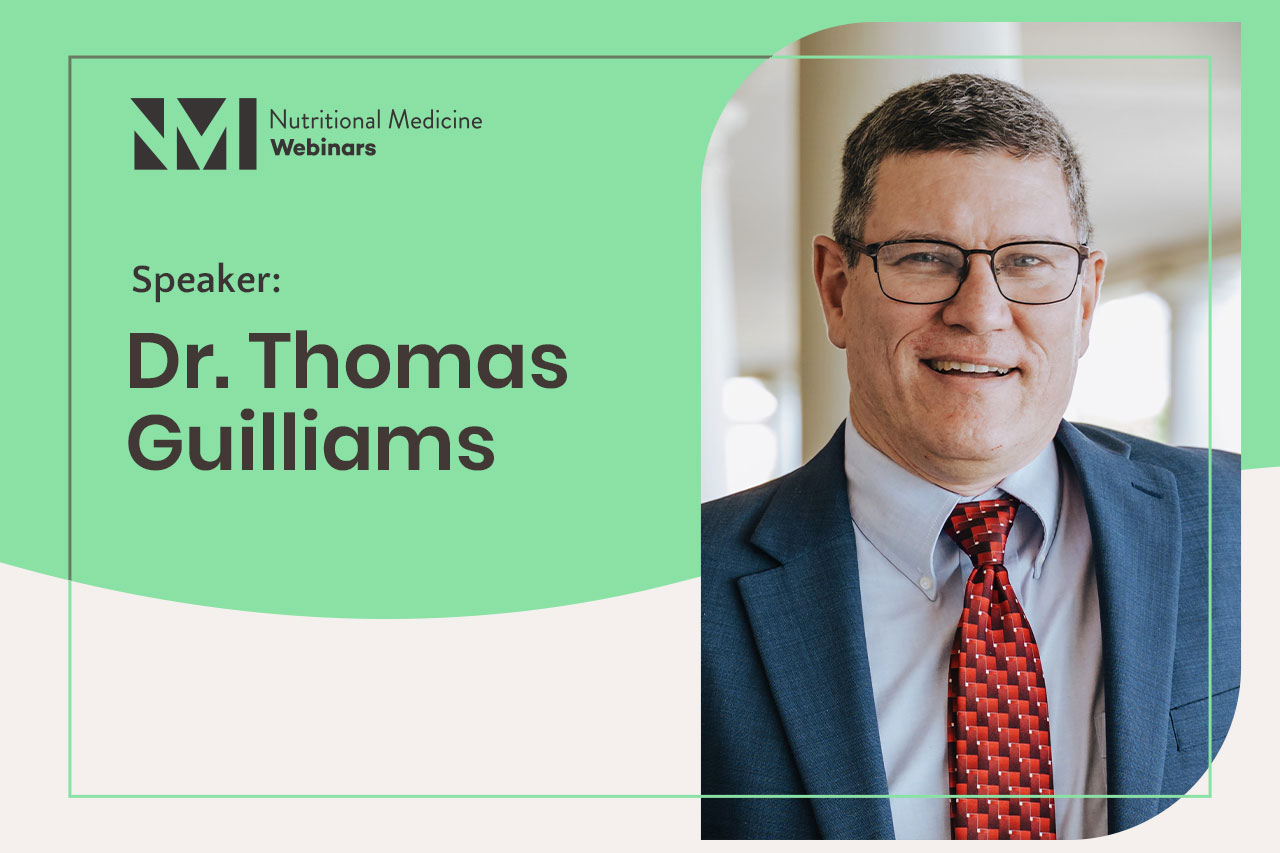
with Dr. Thomas Guilliams
Date: Monday 18th May 2026
Time: 3pm (BST)
Duration: 1-hour
Location: Online (Zoom)
Receive: Access to the live online event, unlimited access to the on-demand video recording, downloadable presentation notes, CPD certificate.
Continuing Professional Development (CPD) approved by the CPD Certification Service (CPD UK), the British Association for Nutrition and Lifestyle Medicine (BANT) and the Nutritional Therapists of Ireland (NTOI).
Webinar description:
The Gut-Brain axis is a term that is often used by clinicians to describe the generic bi-directional signalling relationship between these two body systems. However, most clinicians do not understand the many categories of signals that are derived from the gut, especially the complex signalling capacity of the gut microbiota; and that these signalling molecules influence almost every organ system of the body. In many ways, the microbiome-gut-brain axis is just one of many gut-tissue axes which are now well defined for the liver, lungs, skin, hair, kidneys, etc. In this webinar we will show how the gut signals that affect one system are very similar to those that affect others, and how dysbiosis and gut barrier dysfunction are common aging signals for all organ systems of the body. Our focus will be to describe the primary categories of signals derived from the gut and gut microbiome that influence metabolism and cellular function, highlighting specific neuronal functions that define the gut-brain signalling. Finally, we will overview some of the basic lifestyle, diet and dietary supplements (including probiotics) that may benefit the gut microbiome environment such that it changes these signals and influences outcomes in other tissues such at the brain; measurable in mood, cognition or other metabolic outcomes. The goal is to make the clinician more aware of the mechanistic basis for how gut signals influence systemic metabolic activity, allowing them to evaluate and leverage emerging information in that fast growing area of research.
Learning objectives:
- Understand the Bi-directional signals that define the Gut-Brain axis, or more accurately, the Microbiome-Gut-Brain Axis.
- Describe the connection between dysfunctions in the gut microenvironment, including dysbiosis, intestinal hyperpermeability and immune activation with disorders signalling in the brain and their consequences.
- Review the published literature on the research related to microbiome modulation therapies with measurable outcomes in brain health, mood disorders, or other neurological disorders associated with the gut microbiota.
Speaker
Dr. Thomas Guilliams, PhD
Thomas G. Guilliams, PhD (Tom) earned his doctorate in molecular immunology from the Medical College of Wisconsin. For the past 28 years, he has spent his time investigating the mechanisms and actions of lifestyle and nutrient-based therapies, and is an expert in the science and therapeutic uses of dietary supplements. Tom currently serves as an adjunct associate professor at the University of Wisconsin School of Pharmacy and was the VP of Science for Ortho Molecular Products for 24 years (he now serves them as a consultant). Over the past decade, he has written a series of teaching manuals (Road Maps) that teach and evaluate the principles and protocols that are fundamental to the functional and integrative medical communities. His publication The Role of Stress and the HPA Axis in Chronic Disease Management, now in its second edition, has become the standard for teaching this critical topic to healthcare professionals. He is the founder and director of the Point Institute, an independent research and publishing organization that facilitates the distribution of his many publications. A frequent guest-speaker, Dr. Guilliams provides straight-forward science-based training to a variety of healthcare disciplines in the use of lifestyle and non-pharmacological therapies. Tom is an avid outdoorsman with too many hobbies to list. He is blessed to live in the woodlands of Central Wisconsin with his family.

Additional information:
Expert qualifications: Speakers are selected based on verifiable expertise in their subject area, including post-graduate qualifications, specialist practice, and authorship of original peer-reviewed research.
Standards for conflict of interest and disclosure: Webinars are independent and free of commercial bias that may impact the quality and integrity of educational content, such as the mention of commercial products and services. View our standards for conflict of interest and disclosure.
Funding source: Speaker remuneration is provided by the Nutritional Medicine Institute (NMI).
Disclaimer: The contents of webinars such as this are for educational purposes and intended for health professionals. This information is not a substitution for standard medical care. Health professionals are solely responsible for the care and treatment provided to their own patients.